top of page
Art with Ms Schneider
Art of the 17th & 18th Century
Baroque Style of Art
The Baroque is a period of artistic style that started around 1600 in Rome, Italy, and spread throughout the majority of Europe during the 17th and 18th centuries. In informal usage, the word baroque describes something that is elaborate and highly detailed. The popularity of the style was encouraged by the Catholic Church which decided that the arts should communicate religious themes.
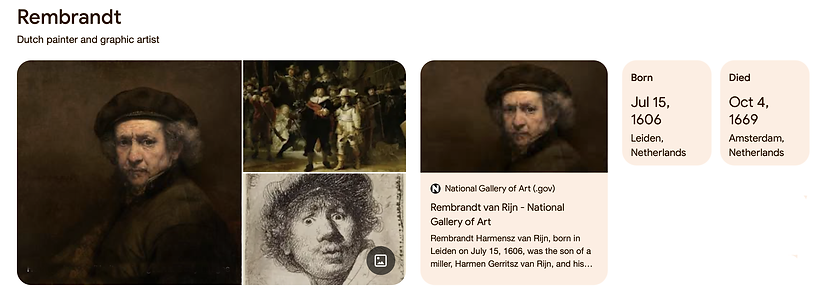
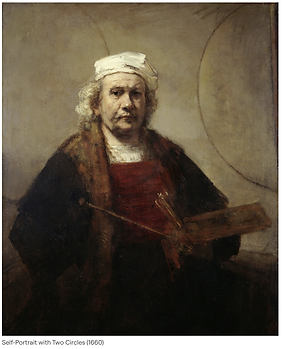
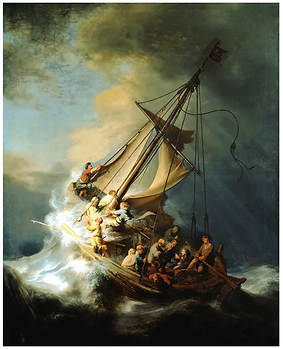
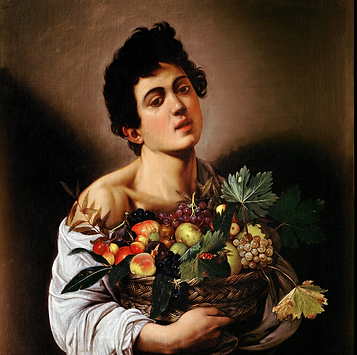
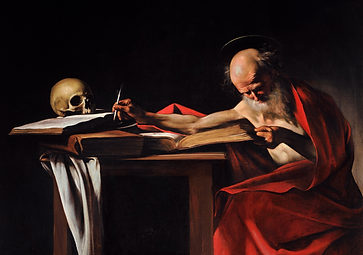
The Baroque style is characterized by exaggerated motion and clear details used to produce drama, exuberance, and grandeur in sculpture, painting, architecture, literature, dance and music. Baroque iconography was direct, obvious, and dramatic, intending to appeal above all to the senses and emotions. The use of "chiaroscuro" technique is a well-known trait of Baroque art. This technique refers to the ineptly between light and dark and is often used in painting of dimly lit scenes to produce a very high contrast, dramatic atmosphere. Three important Baroque painters include Caravaggio, Peter Paul Rubens and Rembrandt.
Rembrandt Harmenszoon Van Rijn




Peter Paul Rubens


Michelangelo Merisi da Caravaggio




Rococo Style of Art
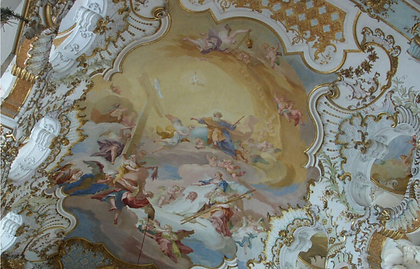
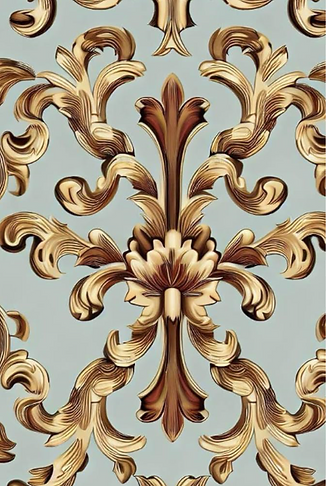
The Rococo style originated in Paris, France during the mid-late 18th century. It was a playful, highly decorative style that manifested a reaction against the strict rigidity of the Baroque. Rococo style developed first in the decorative arts and interior design, and its influence later spread to architecture, sculpture, theater design, painting and music. The name Rococo comes from the French word 'rocaille, a popular form of ornamentation using shells and pebbles, as shells feature prominently in Rococo motifs.





Still Life Drawing in the Baroque Style
Photograph, Pencil Drawing, Oil Pastel Drawing


bottom of page